Iran's Startup Ecosystem: Nine Success Stories Transforming Daily Life
From payment gateways to ride-hailing and digital health, Iranian startups have built thriving platforms that serve millions and reshape how people live and work.
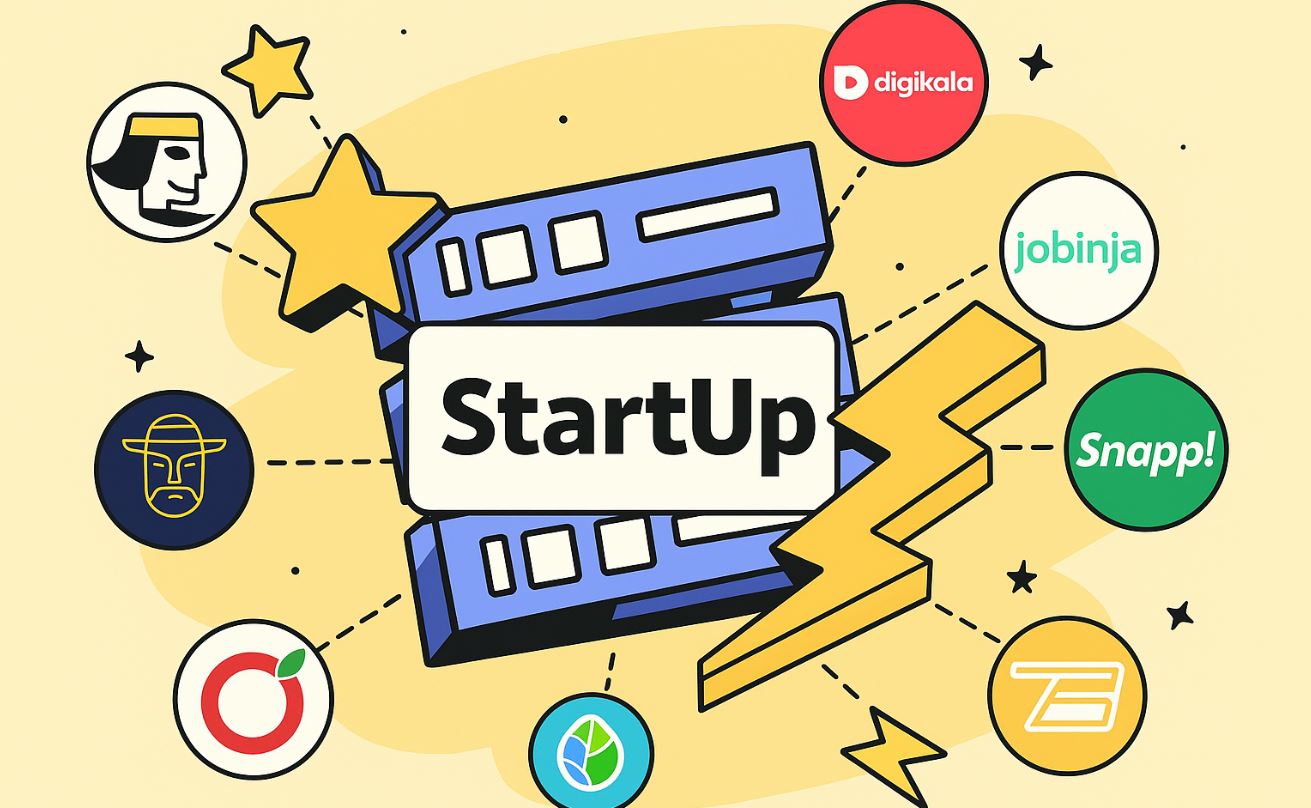
Iran's startup ecosystem has experienced remarkable growth in recent years, with innovative companies achieving significant success across diverse sectors. These ventures have delivered creative, technology-driven solutions that meet the varied needs of society and bring positive change to the way people live and do business.
Fintech Pioneers
ZarinPal is recognised as Iran's first internet payment gateway, playing a role similar to PayPal in the domestic market. Launched in 2010, it solved the trust problem in online shopping by providing a secure payment portal. Its standout feature is seamless integration with websites and online stores; businesses can easily accept payments via ZarinPal's API. High transaction security, rapid settlement and round-the-clock customer support are among its advantages. ZarinPal has expanded its services with an online wallet and personal payment tools for everyday users. Its competitive edge lies in being a market pioneer and building public trust—many online buyers and sellers now consider ZarinPal synonymous with secure payment. Rapid growth in e-commerce, coupled with steady performance and continuous innovation (such as dedicated payment gateways), has made ZarinPal one of fintech's most successful players.
Payping is a creative peer-to-peer and business payment startup that began operations in the mid-2010s. As the official payment service provider licensed by the Central Bank, it enables individuals to create personal payment links, allowing people to receive money without sharing card numbers. Payping's key strength is simplifying money transfers and online invoicing for small businesses. With an online payment gateway, digital wallet, daily settlement and financial reporting, it meets the needs of many small vendors and freelancers. Its user-friendly experience and integration with Iran's banking network are major assets. The platform's innovative card-free payment model focuses on micro-customers not covered by traditional banking. In recent years Payping has attracted significant investment (including more than 200 million toman in one funding round) and grown its user base rapidly, becoming a major fintech player. Its success stems from correctly understanding market needs—ease and speed in online payments—and building trust through official licensing and adherence to payment security standards.
Bimebazar is Iran's first insurtech (insurance technology) startup. Founded in 2016, it became the first online company to receive an official broker licence from Iran's central insurance authority. The platform is a comprehensive online marketplace for comparing and purchasing all types of insurance policies. Users can compare prices and terms for various insurance products (from third-party and body vehicle insurance to life and health policies) across different companies and buy online. Bimebazar's key feature is information transparency and ease of comparison, transforming the insurance-buying experience; previously, customers had to visit multiple agencies in person for quotes. The startup's strength lies in broad partnerships with reputable insurance companies and providing advisory support to help customers make the best choice. Leveraging new technology—including artificial intelligence for online vehicle damage assessment—Bimebazar has accelerated the traditionally slow process of issuing insurance and settling claims. Smooth user experience, savings in time and cost for customers, and trust built through official licences and years of compliant operation are among Bimebazar's advantages. Rapid growth in online insurance sales and significant investment have made the company the leader of Iran's insurtech market. Its success is rooted in the courage to enter a traditional industry, innovation in service delivery and a focus on customer satisfaction.
Nobitex is Iran's first and largest digital currency exchange platform, founded in 2017 by a young team. The startup took shape at a time when cryptocurrency trading was surging in Iran and users needed a secure, local platform to buy and sell digital assets. Nobitex offers an online crypto exchange enabling trades in a wide range of digital currencies (Bitcoin, Ethereum, Tether, Ripple and dozens more) in both rial and tether markets, and quickly won users over. Its key feature is a simple interface for beginners alongside advanced tools for professional traders. By providing a secure wallet for each user and identity verification in line with domestic regulations, it has earned users' trust. Nobitex's strength is high liquidity and a large trader community; a significant share of the country's digital currency trading flows through this platform. Twenty-four-hour support, multi-layered security to protect assets and rapid rial settlement give users peace of mind about converting their capital. Nobitex educates users and produces local content on blockchain, aiming to develop the market and increase customers' financial literacy. At a time when using foreign platforms was difficult due to sanctions and payment problems, it offered a reliable, popular alternative. Attracting hundreds of thousands of active users and high transaction volumes in a short time demonstrate Nobitex's success.
Digital Health Leaders
Doctordoctor is one of the pioneers of e-health and online medical appointment booking in Iran. Launched in the mid-2010s with the slogan of facilitating access to healthcare, the platform enables online booking of appointments with doctors and specialists across the country. Its key feature is a comprehensive database of physicians in various specialties; users can search by city, speciality or doctor's name, view doctor profiles (including biography, credentials, clinic location and patient reviews) and book appointments online. The system offers appointment reminders and patient queue management for clinics, bringing order and reducing crowding in medical centres. Doctordoctor's strength is its smooth user experience and support for patients at every stage (from registration to follow-up visits). The platform also provides online and telephone medical consultations, which proved especially important during the COVID-19 pandemic. A broad network of physicians (from leading specialists to general practitioners) partnering with Doctordoctor and wide geographical coverage, with doctors active in almost every province, make it a standout platform. By earning the trust of the medical community and patients, Doctordoctor has succeeded in embedding the culture of online appointment booking in the country. Rapid user growth (millions of online appointments to date) and investment from venture capital funds show that this startup has navigated the path to success well. Providing a solution to one of people's concerns—long waiting queues and difficulty finding the right doctor—and solving it with technology was the key to Doctordoctor's success.
Pazikotak has emerged as Iran's most comprehensive online medical consultation app. Launched in the late 2010s, the platform has created a large online community of doctors and patients. Pazikotak offers 24-hour consultation and virtual visits in more than 80 medical and psychological specialities, meaning users can consult their chosen specialist at any hour via chat, voice call or video call. Its key feature is immediate, easy access to specialist doctors; even in cities or regions where certain specialities may not be available, Pazikotak enables connection with the country's best specialists. In addition to consultations, the app offers other services such as home doctor visits, nurse dispatch, on-site testing and medicine delivery in some cities, making it a truly integrated health platform. Pazikotak's strength is the high quality of consultations and careful selection of doctors; all physicians on the platform are verified by the Medical Council, and patients can rate them after consultations, fostering quality competition. Offering a comprehensive bundle of health services (online consultation, on-site services and medical information) in a single app with a user-friendly interface is Pazikotak's advantage. The platform uses artificial intelligence to guide patients to suitable doctors and stores conversation history and electronic health records to ensure continuity of care. The startup saw dramatic growth during the COVID-19 pandemic and became the first choice for many seeking remote medical advice. Pazikotak's popularity and success can be attributed to correctly understanding market needs (quick access to doctors and reducing unnecessary in-person visits), smart marketing and building mutual trust between patient and doctor in an online environment.
Ride-Hailing Giants
Snapp is undoubtedly Iran's largest online transport startup and the pioneer of the internet taxi revolution in the country. Launched in 2014 (initially as Taxiyab), it quickly created a new culture of affordable, accessible urban travel by adapting Uber's model to Iran. Through its mobile app, Snapp connects passengers with the nearest drivers, making it as simple as a few taps on a phone to request a car. Broad geographical coverage (active in more than 100 large and small cities), a variety of services (Snapp Eco for budget travel, Snapp Plus for higher-quality vehicles, Snapp Van for light freight, Snapp Bike for motorbikes, and services beyond transport such as Snapp Food, Snapp Box, Snapp Market and more in a super-app format) are among the platform's advantages. Snapp's strength is its vast driver network; hundreds of thousands of active drivers working part-time or full-time with Snapp ensure that waiting times are usually very short. Competitive, transparent pricing has been a draw from the start; trip costs are clear before requesting, and payment can be made in cash or credit. Snapp's competitive advantage is its large scale: the company claims over 85 per cent of Iran's internet taxi market share, with millions of trips daily (up to around six million per day in 2023). Strong investment backing (including funding from MTN) and an agile management team have enabled Snapp to grow faster than competitors and diversify its services. While complying with domestic regulations (such as cooperation with municipalities and traffic police), Snapp has won the trust of authorities and removed obstacles. Snapp's success can be summed up in solving a real problem (the need for affordable, reliable taxis), leveraging GPS and mobile internet at the right time, extensive marketing and delivering a good user experience. Today, by transforming into a super-app, Snapp has become a destination for many everyday needs (food delivery, grocery shopping, motorcycle courier and more), thereby increasing its added value.
Tapsi is Iran's second-largest online taxi platform, which began operations in 2016 and is recognised as Snapp's main competitor in this field. Tapsi (originally written Tap30) focused on improving the urban travel experience and captured a significant market share with its own innovations. One distinctive service is the ability to request a car by telephone (for those without internet or a smartphone) via the dedicated number 1630. From the outset, Tapsi emphasised driver training and support, building a network of drivers with high service quality. The platform also offers various services such as Tapsi Classic (regular ride), Tapsi Line (ride-sharing with multiple passengers for cheaper fares), Moto Peek (parcel delivery by motorbike) and others. Tapsi's strength is its simple, stable interface and suitable domestic mapping that facilitates routing and address finding. In recent years, Tapsi's competitive advantage has been its transparent, legal approach; in 2022, Tapsi became the first Iranian startup to enter the stock market (over-the-counter), publicly offering its shares. This move made Tapsi more transparent and accountable, boosting investor and public confidence in the internet taxi business model. Tapsi has worked closely with municipal authorities (such as taxi organisations) to minimise conflicts. Tapsi's success can be attributed to healthy competition with a powerful rival (Snapp) and efforts to create differentiation; by focusing on trip quality, offering additional features (such as live route sharing with family and friends for added safety) and fair pricing, it has won great popularity. Although Tapsi's market share is smaller than Snapp's, its presence maintains competition and continuous service improvement in Iran's internet taxi sector, and Tapsi itself, with steady user and trip growth, has become one of Iran's successful startups.
EdTech Innovators
Faradars can be considered the country's largest online education platform. Launched in 2008, it has played a key role in developing digital skills training in Iran. The startup initially offered specialised courses in programming and artificial intelligence and gradually expanded its curriculum. Faradars provides more than 32,000 hours of online educational content in thousands of courses, covering almost all university disciplines and practical skills. Its hallmark is content comprehensiveness and high teaching quality; leading experts in every field teach, and courses are recorded as videos and delivered to students via the platform. From engineering and basic sciences to software skills, programming languages, Olympiad and university entrance exam preparation, and even entrepreneurship can be found on Faradars. Faradars's strength is its long track record and academic credibility; over more than a decade, the platform has earned the trust of hundreds of thousands of users and become the go-to reference for online learning in Iran. The startup regularly updates its content and offers new courses in line with cutting-edge technologies and industry needs, sustaining its growth and popularity. Faradars's success is rooted in solving the challenge of accessing quality educational resources in Persian, tapping young, creative academics to produce content, and bridging the gap between university and industry.
Maktabkhooneh is another successful Iranian EdTech startup, founded in 2010 with the goal of making higher education and practical skills accessible to all. Maktabkhooneh began by sharing videos of university courses, making filmed classes from top universities (such as Sharif University of Technology) freely available to the public, effectively creating a local 'MOOC'. Over time, the platform has evolved further.
More stories
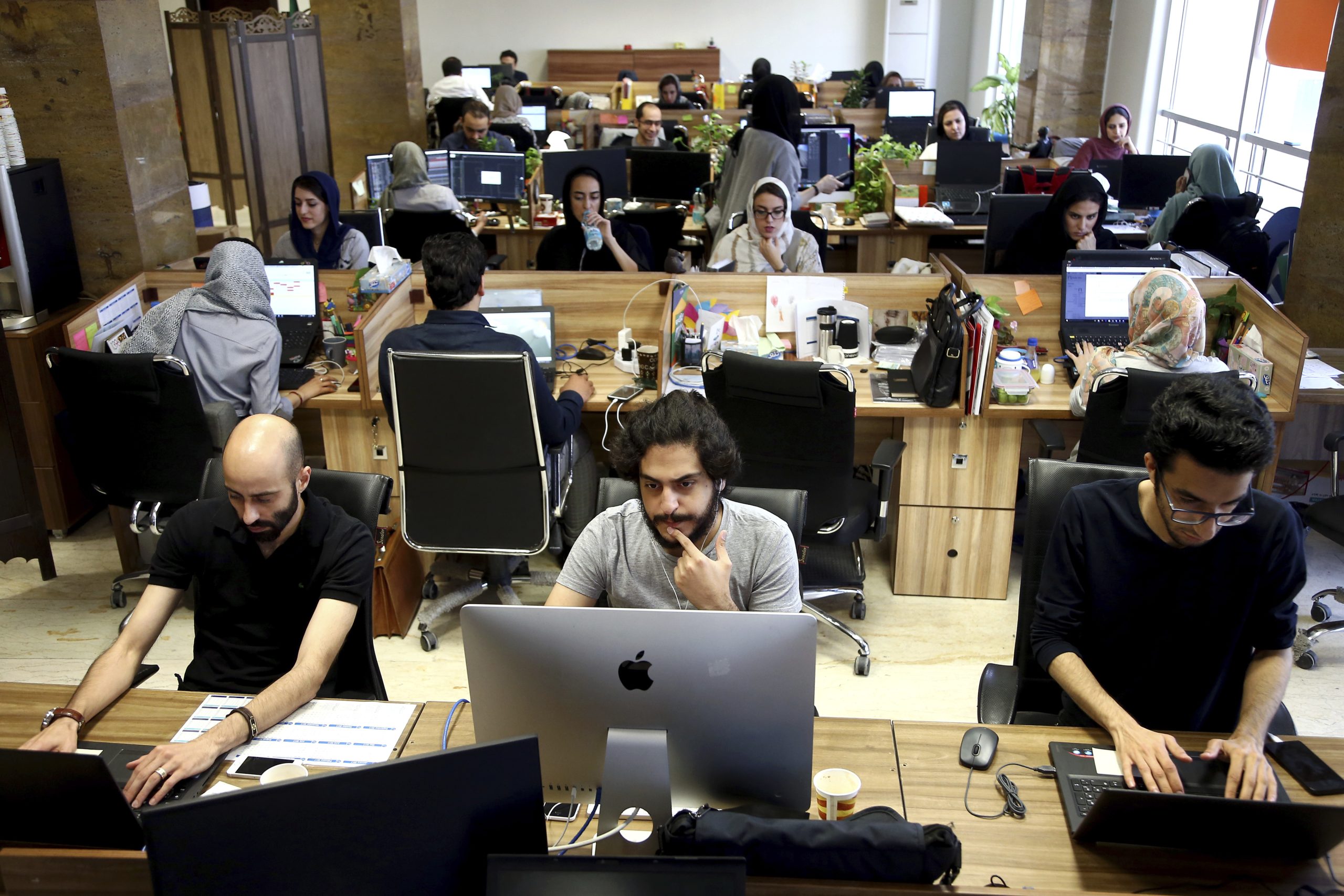
Iran's Tech Diaspora Powers Domestic Startup Boom
Iranian expatriates are quietly fuelling a tech revolution at home, bridging sanctions and borders to mentor startups and transfer knowledge across a thriving digital economy.
5 October 20262 min read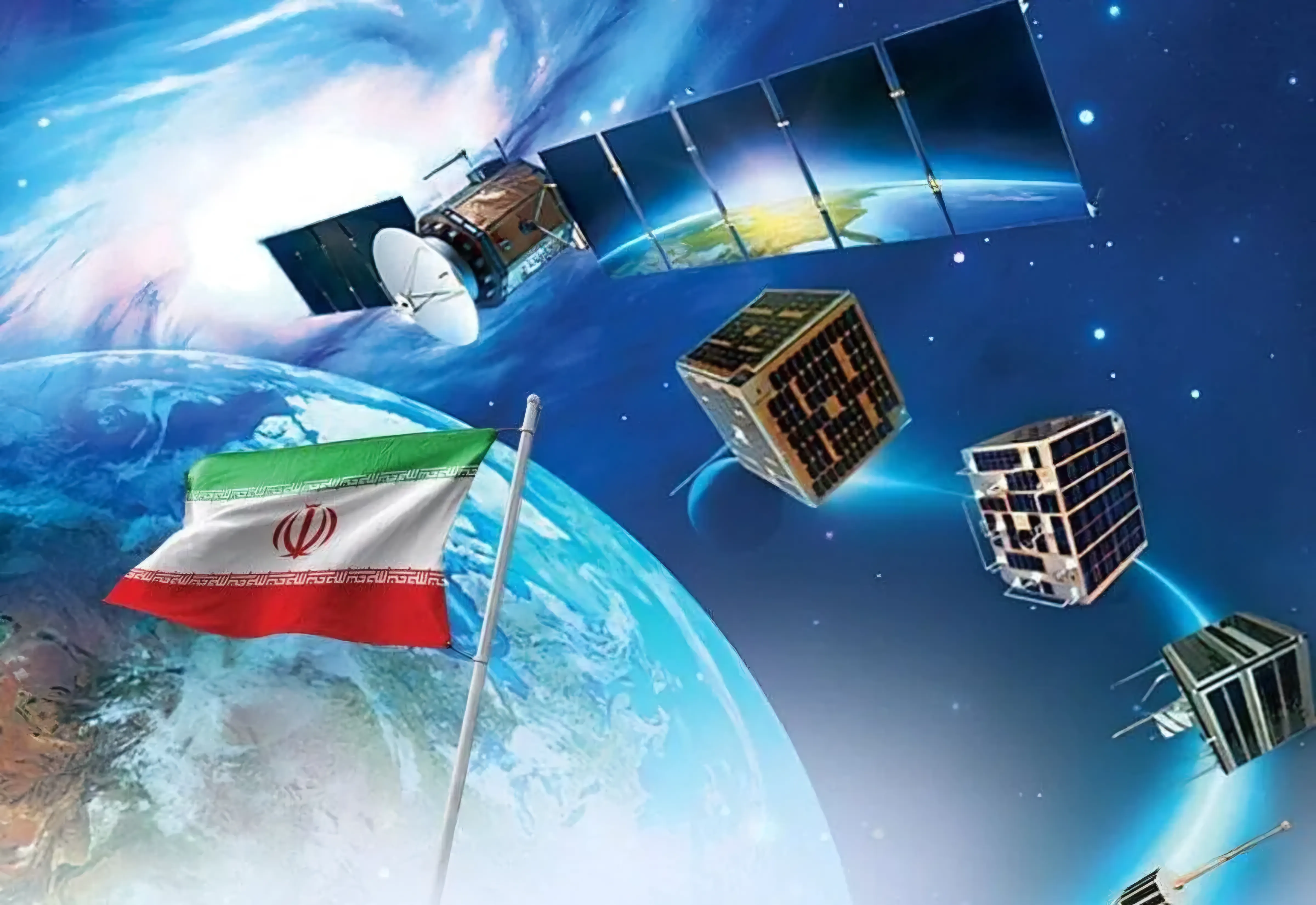
Dozens of Iranian Companies Building Satellites and Space Equipment
Iran's space agency reports several dozen firms active in satellite manufacturing, with three new constellation satellites set for unveiling this year.
5 October 20263 min read