Naqsh-e Jahan: the square that was “half the world”
Isfahan’s great Safavid square brings together royal mosques, a palace and a bazaar in one of the world’s grandest urban spaces.
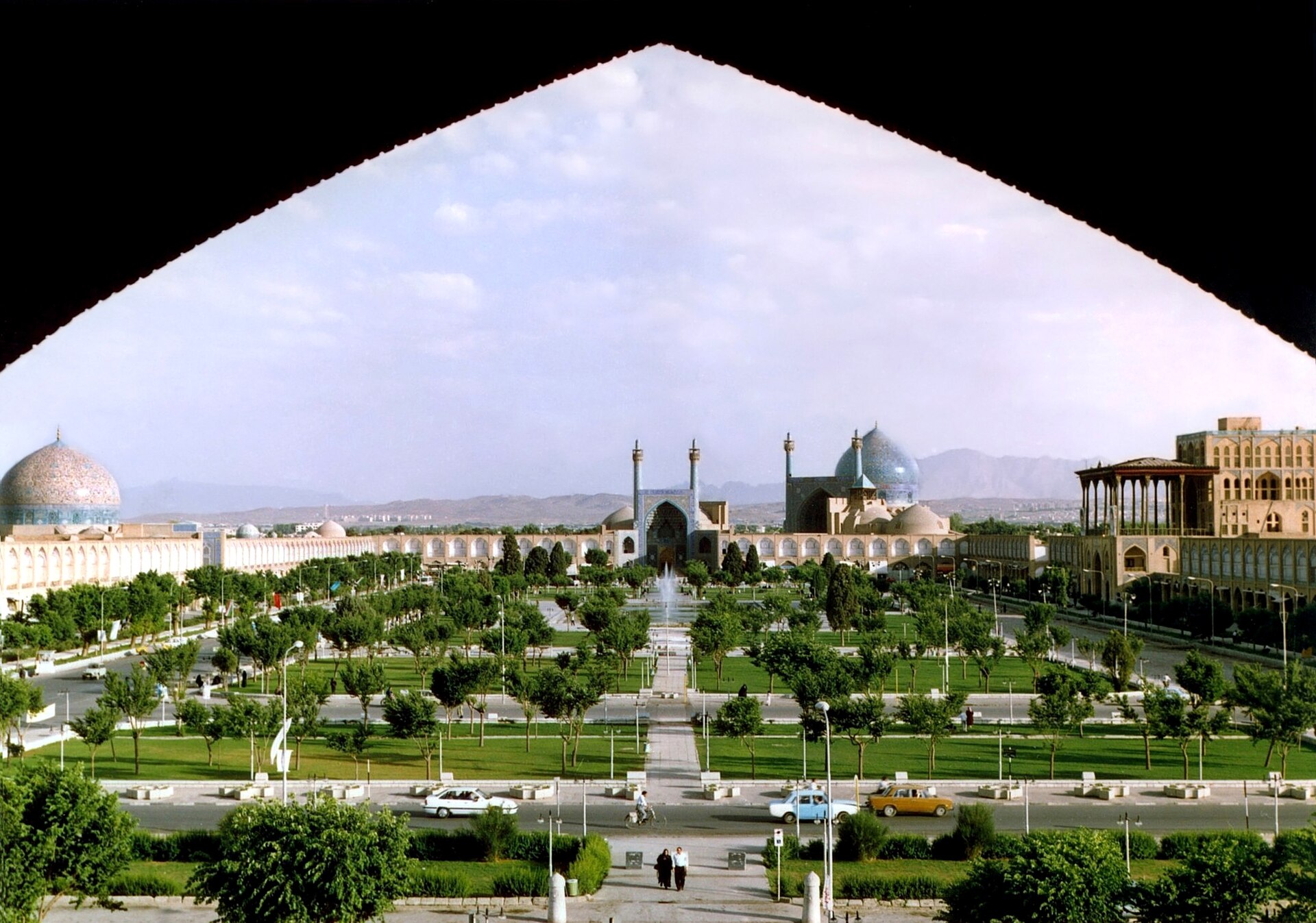
When Shah Abbas I made Isfahan the Safavid capital at the end of the 16th century, he gave the city a monumental centre: Naqsh-e Jahan Square. It was inscribed on the UNESCO World Heritage List in 1979.
Four landmarks, one square
- The Shah Mosque, crowned by a vast tiled dome
- The Sheikh Lotfollah Mosque, with its cream-coloured dome that changes tone through the day
- The Ali Qapu Palace, with a terrace overlooking the square
- The Qeysarieh Gate, entrance to the Grand Bazaar
The saying “Esfahan nesf-e jahan” — “Isfahan is half the world” — dates from this golden age.
Keep exploring
More stories
Tourism
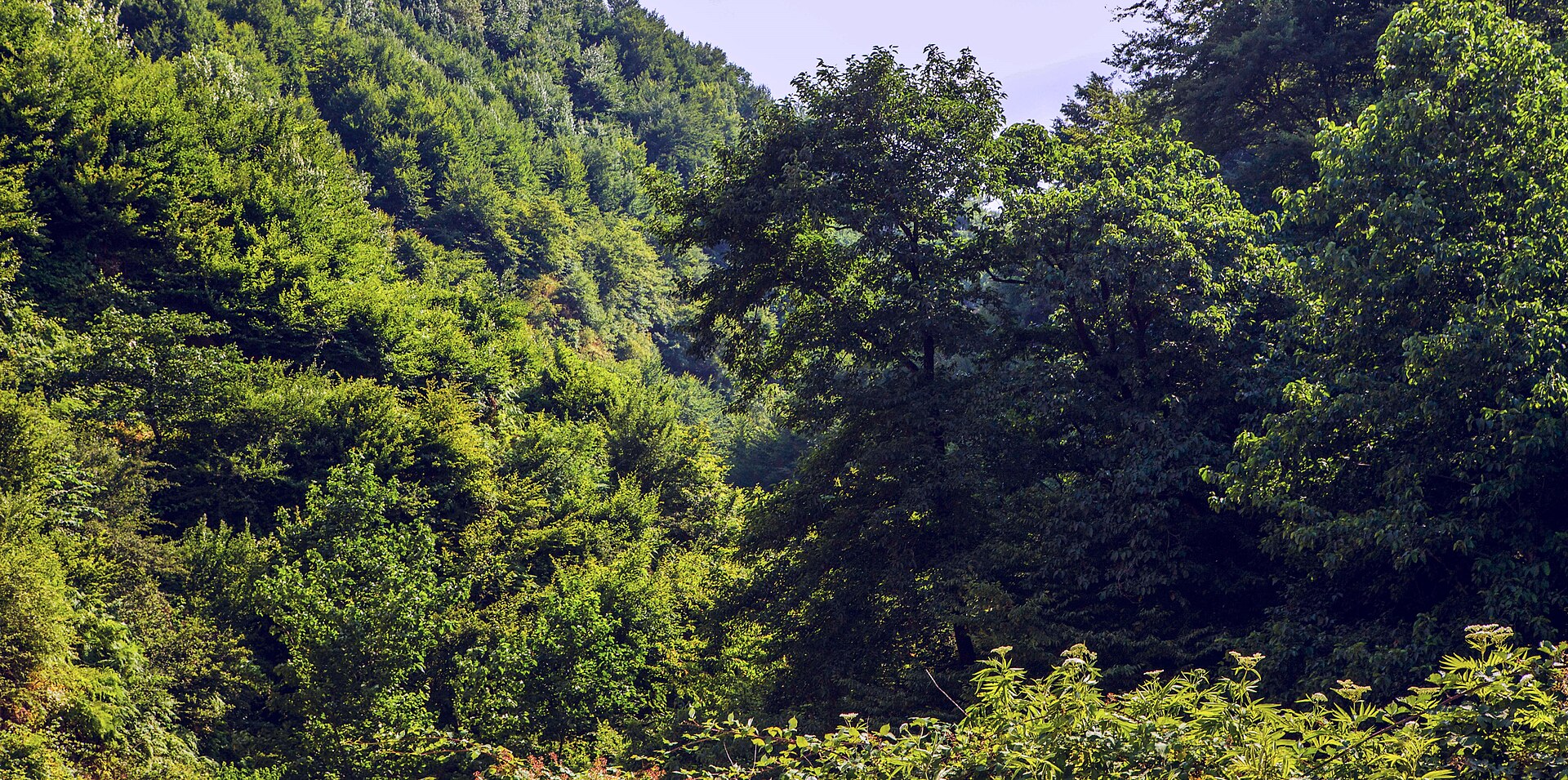
The Hyrcanian forests: an ancient green world on the Caspian
Stretching along the Caspian Sea, Iran’s Hyrcanian forests are remnants of woodland that has survived for millions of years.
5 October 20261 min read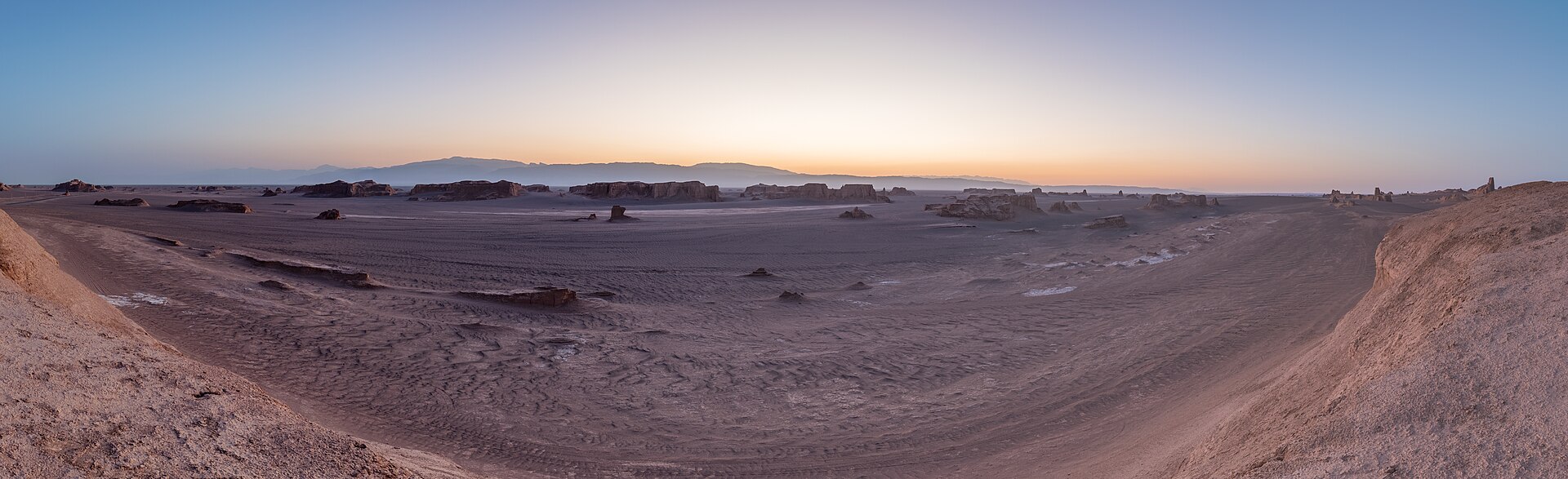
Tourism
Dasht-e Lut: inside one of the hottest places on Earth
Wind-carved ridges, vast dune fields and record surface temperatures make the Lut Desert one of Iran’s natural wonders.
5 October 20261 min read